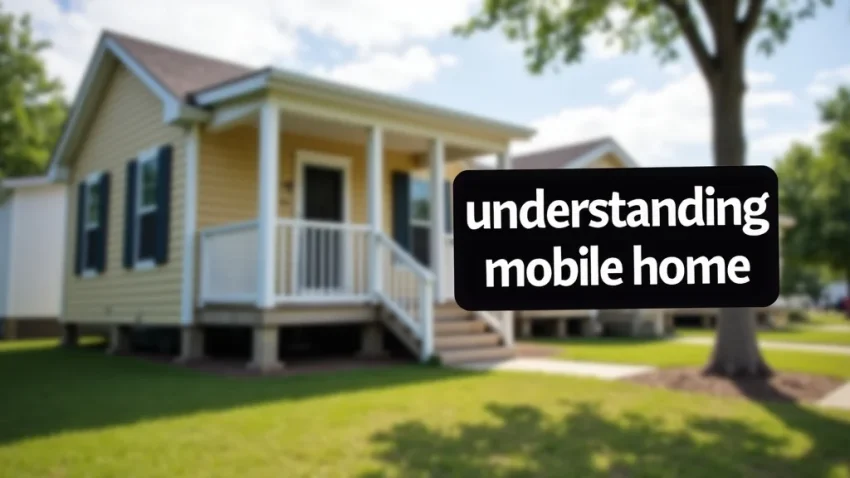
Figuring out mobile home prices can seem tricky when you’re new to it. You see different numbers and wonder what’s really going on. It’s like looking at a menu with lots of options!
But don’t worry, it’s simpler than it looks. We’ll walk through it step-by-step to make it easy for you. Let’s get started on finding out what affects how much these homes cost.
Key Takeaways
- Learn what factors influence the cost of mobile homes.
- Discover how new versus used mobile homes differ in price.
- Understand the impact of size and features on overall cost.
- Find out how location can affect the price of a mobile home.
- See how financing options can change what you pay.
Factors Affecting Mobile Home Prices
The price of a mobile home isn’t just one number; it’s a mix of different things. Think of it like buying a car. The make and model matter, but so do things like extra features and whether it’s brand new or has been driven a bit.
For mobile homes, these price shifters include the home’s age, its size, and how many bedrooms and bathrooms it has. Even the materials used to build it can play a role.
New Versus Used Mobile Homes
Just like with houses or cars, a brand-new mobile home will generally cost more than one that’s already been lived in. A new home comes with the latest designs and hasn’t had any wear and tear. This fresh start means a higher price tag.
Used mobile homes, on the other hand, have a lower starting price. Their value often depends on how well they’ve been maintained, if they’ve had any major updates, and how old they are. A well-kept, older home might still be a great deal compared to a new one.
However, older homes might also need more repairs sooner, which adds to your total cost over time.
The Value of New Homes
- Higher initial cost reflects modern construction and latest features.
- New homes often come with warranties, reducing immediate repair worries.
- You get to choose the layout and finishes exactly how you like them.
When you buy new, you’re paying for that untouched quality. The factory builds it to current standards. This means better insulation might be included, and newer appliances are standard.
You also avoid the risk of hidden problems that older homes sometimes have. The peace of mind that comes with a new purchase is a big part of its higher price.
Savings with Used Homes
- Lower purchase price offers immediate savings.
- Potential for negotiation on price based on condition.
- Opportunity to add personal touches and updates over time.
Buying a used mobile home can be a smart financial move. You can often find great deals, especially if you’re willing to do a little work or if the home is in a less popular area. The seller might be more open to negotiating, especially if they’ve owned the home for a while.
Plus, you can slowly make upgrades to make it feel like your own, spreading out those costs instead of paying for everything upfront.
Size Matters A Lot
The physical size of a mobile home is one of the biggest drivers of its price. A larger home with more square footage simply uses more materials and takes longer to build. This directly translates into a higher cost.
Mobile homes come in various widths and lengths. The most common are single-wide and double-wide units. A single-wide is typically around 14 to 16 feet wide and can be 50 to 80 feet long.
A double-wide is made of two sections, each about the same width as a single-wide, joined together to create a much larger living space. These can be 20 to 30 feet wide and 70 to 80 feet long, offering the feel of a traditional house.
Single-Wide vs. Double-Wide Costs
- Single-wide homes are the most affordable option due to their smaller size.
- Double-wide homes offer more living space but at a higher price point.
- The cost difference can be significant, with double-wides costing substantially more.
For instance, a basic single-wide might start at around $40,000 to $60,000 depending on features and location. A comparable new double-wide, however, could easily start from $80,000 and go up from there, often reaching $100,000 or more with upgrades. This difference isn’t just about the extra materials; it’s also about the more complex setup and transportation required for larger units.
Features And Upgrades
Beyond the basic size, what’s inside your mobile home makes a big difference in price. Think about appliances, countertops, flooring, and special features. A home with stainless steel appliances, granite countertops, and hardwood floors will cost more than one with standard fixtures.
Some mobile homes are built with higher-end finishes and offer luxury options. These might include things like a walk-in shower in the master bathroom, a fireplace, built-in entertainment centers, or energy-efficient windows. These upgrades add comfort and value, but they also add to the overall price tag.
Common Upgrades and Their Impact
- Kitchen and bathroom renovations significantly increase value and price.
- Energy-efficient features like better insulation and windows add to upfront costs but save money later.
- High-quality flooring materials like hardwood or luxury vinyl tile are more expensive than basic carpet or linoleum.
Consider a home with a gourmet kitchen. This could mean custom cabinets, professional-grade appliances, and a large island. This type of kitchen alone could add thousands of dollars to the price compared to a home with standard builder-grade options.
Similarly, a master suite with a spa-like bathroom featuring a soaking tub and separate shower will command a higher price than a simpler bathroom setup.
The Role Of Location In Mobile Home Prices
Where you decide to place your mobile home has a huge impact on the final price. This includes both the cost of the land and the general cost of living in that area. A beautiful lot with a great view will cost more than a lot in a less desirable spot.
Mobile homes can be placed on private land you own or in a mobile home park. If you own your land, the price of the home itself is separate from the land value. If you buy a mobile home in a park, you usually pay a monthly lot rent.
This rent can vary a lot depending on the park’s amenities and its location.
Land Costs And Mobile Home Parks
Buying land to put your mobile home on can be a big expense. Land prices differ greatly by region. In popular areas, land can be very costly, making the total investment higher.
In more rural or less developed areas, land is generally cheaper.
Mobile home parks offer an alternative. You don’t buy the land, but you pay rent for your space. This lot rent covers the use of the land and often includes services like trash pickup and basic lawn care.
The cost of this rent can range from a few hundred dollars to over a thousand dollars a month, depending on the park and its location. Parks in or near major cities or desirable vacation spots tend to have higher lot rents.
Comparing Land Ownership vs. Lot Rent
- Owning land means a higher upfront cost but no ongoing rent payments.
- Lot rent in parks offers lower initial costs but adds a recurring monthly expense.
- The location of the land or park is a major factor in both land purchase prices and monthly lot rents.
A mobile home placed on its own land in a rural area might have a total cost that is mostly the price of the home itself, perhaps starting around $70,000 for a decent single-wide. However, that same home placed in a prime mobile home park in a bustling city could have a lot rent of $800 per month, plus the price of the home, making the total ongoing cost much higher.
Regional Price Differences
Just like traditional housing, mobile home prices are not the same everywhere. Some areas are simply more expensive to live in than others. This affects everything, including the cost of materials and labor to build mobile homes, as well as the demand for them.
For example, mobile homes in states with a high cost of living or in popular retirement areas might be priced higher. Conversely, in areas with a lower cost of living or fewer job opportunities, you might find more affordable mobile home prices. This geographical variation means you could pay significantly less for a similar home in one part of the country compared to another.
How Location Impacts Affordability
- Areas with high demand and limited housing stock tend to have higher mobile home prices.
- Lower cost of living areas often provide more affordable mobile home options.
- Proximity to amenities, jobs, and desirable natural features can drive up prices.
A study by the Manufactured Housing Institute showed that in some of the most expensive states, the average cost of a new manufactured home was nearly 20% higher than in states with a lower cost of living. This shows that location is a critical factor when budgeting for a mobile home.
Financing And Additional Costs
When you’re looking at mobile home prices, it’s important to think about how you’ll pay for it and any other costs that come along. Financing options can affect your monthly payments, and there are often fees you don’t see right away.
Unlike site-built homes, mobile homes (also called manufactured homes) have different financing rules. Sometimes they are treated as personal property, like a car, rather than real estate. This can change the interest rates and loan terms you get.
Understanding these details is key to getting the best deal.
Loan Types And Interest Rates
Financing a mobile home can be done through various means. You might get a chattel loan, which is specifically for personal property like a mobile home not attached to land. These loans often have higher interest rates than traditional mortgages.
If the mobile home is permanently affixed to land and considered real estate, you might qualify for a traditional mortgage. This usually means lower interest rates and longer repayment terms, making the monthly payments more manageable. However, the process to qualify for a mortgage can be more involved.
The interest rate you get will depend on your credit score, the loan amount, and the current market conditions.
Understanding Loan Options
- Chattel loans are common for homes not on owned land but may have higher rates.
- Traditional mortgages are available for homes on permanent foundations and can offer better rates.
- Your credit score is a major factor in determining your interest rate and loan approval.
For example, a chattel loan might have an interest rate of 8% to 12%, while a mortgage might be around 5% to 7%. Over the life of a $50,000 loan, this difference can mean paying thousands more in interest with a chattel loan. Being aware of these options helps you choose the most affordable path.
Other Associated Expenses
Beyond the sticker price and loan interest, several other costs are associated with buying and owning a mobile home. These include delivery fees, setup costs, installation of utilities, and potential taxes or insurance.
Delivery fees depend on how far the home needs to be transported from the factory or dealership to its final location. Setup costs involve leveling the home, connecting it to water, sewer, and electricity, and potentially skirting the foundation. These can add a few thousand dollars to the total price.
You might also need to pay for permits, inspections, and property taxes, depending on your local regulations. Homeowner’s insurance is also crucial, especially if you have a loan.
Essential Additional Costs
- Transportation and delivery charges can vary based on distance.
- Setup and installation, including utility connections, are necessary expenses.
- Permits, licenses, and insurance add to the overall cost of ownership.
A common scenario is a buyer focusing only on the home’s price, only to be surprised by a $3,000 delivery fee and $2,000 setup charge. These are often unavoidable if you want the home placed and ready to live in. Always ask for a detailed breakdown of all potential fees before signing any contract.
Common Myths Debunked
Myth 1: Mobile homes are poorly built and don’t last.
This is a common misconception. Modern manufactured homes are built in controlled factory environments to strict federal building codes (the HUD Code). This code is even more stringent than local building codes for site-built homes in many areas.
They are designed to withstand wind, snow, and other weather conditions. With proper maintenance, a manufactured home can last for 50 years or more, just like a traditional house. The quality of construction is high, and they undergo rigorous inspections.
Myth 2: Mobile homes depreciate like cars.
While some older, poorly maintained mobile homes might lose value, it’s not a universal rule. Homes that are well-maintained, updated, and located in desirable areas or parks can hold their value or even appreciate. Unlike cars, which lose value the moment they are driven off the lot, a mobile home’s value is more closely tied to its condition, features, and the real estate market it’s part of.
If it’s on land you own, its value is more like traditional real estate.
Myth 3: You can’t get a mortgage for a mobile home.
This used to be more true, but financing options have greatly improved. If a mobile home is permanently affixed to land with a proper foundation and legally considered real estate, it can often qualify for conventional mortgages. Even for homes not on owned land, chattel loans are specifically designed for manufactured housing.
There are many lenders who specialize in financing manufactured homes, making it accessible for many buyers.
Myth 4: Mobile homes are only for low-income buyers.
While mobile homes offer an affordable housing solution for many, they are not exclusively for low-income individuals. They are a practical choice for people of all income levels who are looking for value, efficiency, and a different lifestyle. Many people choose manufactured homes because they offer more home for their money, allowing them to live in areas they might not otherwise afford or to free up money for other investments or life goals.
Frequently Asked Questions
Question: Are mobile home prices negotiable?
Answer: Yes, in many cases, mobile home prices are negotiable, especially for used homes or when buying from a private seller. New homes from dealerships may have less room for negotiation, but it’s always worth asking.
Question: Does the type of foundation affect mobile home prices?
Answer: Yes, homes placed on permanent foundations (like concrete slabs or piers) are often considered real estate and can have higher prices and better financing options than those on less permanent setups.
Question: Are property taxes required for mobile homes?
Answer: This depends on whether the mobile home is considered personal property or real estate. If it’s on your own land with a permanent foundation, it’s typically taxed like a regular home. If it’s in a park or considered personal property, you might pay an annual registration fee or a different type of tax.
Question: What is the average lifespan of a mobile home?
Answer: With good maintenance, a manufactured home can last 50 to 55 years or even longer. Regular upkeep, including roof checks, plumbing maintenance, and exterior painting, helps extend its life significantly.
Question: Can I move a mobile home after it’s been set up?
Answer: Yes, mobile homes can be moved, but it is a complex and expensive process. It requires specialized equipment and professional movers to detach the home, transport it, and then re-level and re-connect it at the new site.
Conclusion
Mobile home prices depend on many factors, from size and features to location and financing. By understanding how these elements work together, you can make a well-informed decision. Whether you choose new or used, consider all associated costs.
This will help you find a home that fits your budget and lifestyle perfectly.